Magnetic levitation has moved from futuristic dreams to science class reality, and at the center of it all are maglev magnets. But what exactly are they, and how can they make objects float?
In this article, we’ll explore how maglev magnets work, where they’re commonly used, and how they bring physics to life in American classrooms and science fairs.
What Are Maglev Magnets?
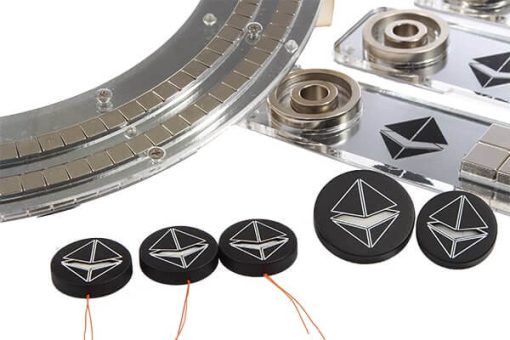
Maglev (short for magnetic levitation) magnets are typically made of strong neodymium materials. They’re arranged to either repel or stabilize objects without physical contact, creating the floating effect that defines magnetic levitation.
There are two main types of maglev magnets:
| Type | Description |
| Permanent magnets (NdFeB) | Strong, affordable, used in most DIY kits and toys |
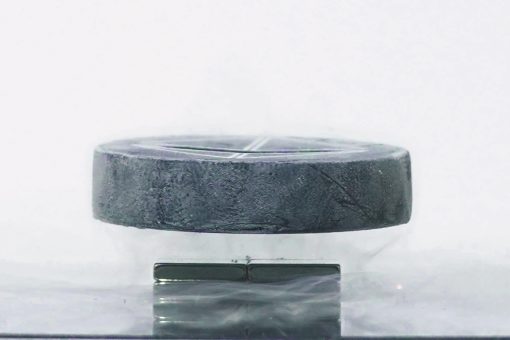
| Superconducting magnets | Require cooling, used in advanced demonstrations and research |
In most educational kits, permanent neodymium magnets are the go-to option due to their strength and ease of use.
How Do Maglev Magnets Work?
Maglev magnets work by exploiting the fundamental law of magnetism: like poles repel. When you align the same poles of two magnets, they push away from each other with enough force to counteract gravity.
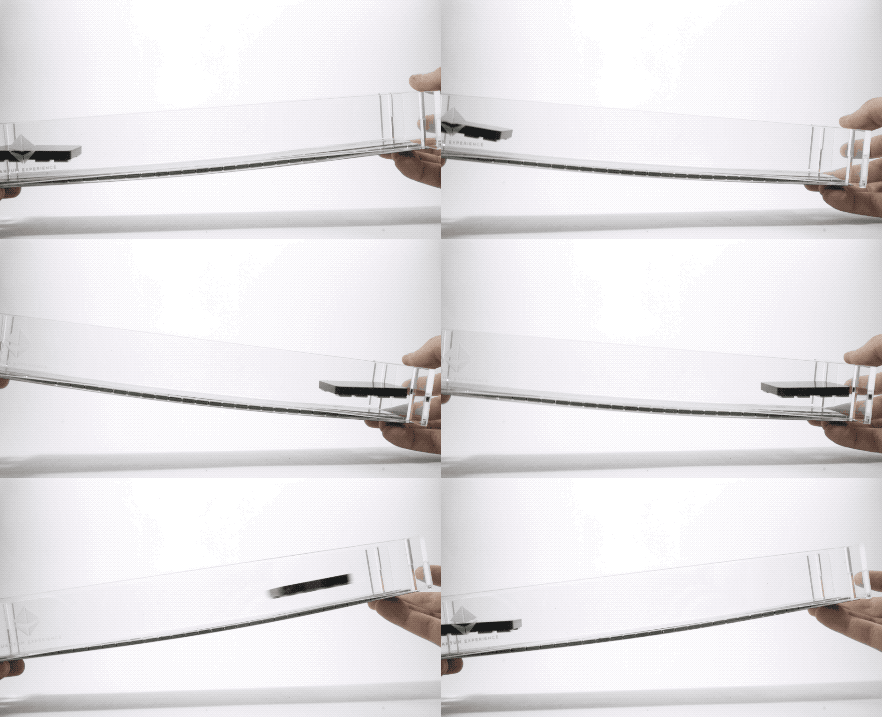
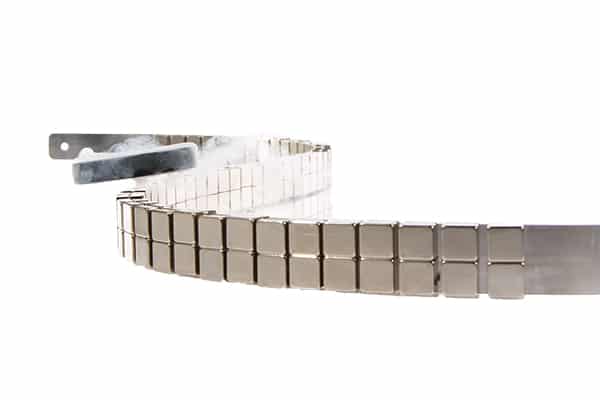
To stabilize levitation (so the floating object doesn’t flip or fall), kits often use a guided magnetic track or a balance of attraction and repulsion. In superconducting applications, “flux pinning” locks the levitating object in space.
According to MIT- “Magnetic levitation illustrates key concepts in motion, force, and equilibrium, making it ideal for active learning.”
Where Are Maglev Magnets Used?
Maglev magnets aren’t just for science kits. You’ll find them in:
- High- speed maglev trains that glide above tracks with zero friction
- Levitating display stands for products and gadgets
- DIY kits that make magnetic levitation accessible to students
- Superconducting experiments in research labs
In the U.S., they’re especially popular in STEM programs and science fairs. With over 94% of U.S. schools integrating STEM education (Education Week), tools that make physics tangible are more in demand than ever.
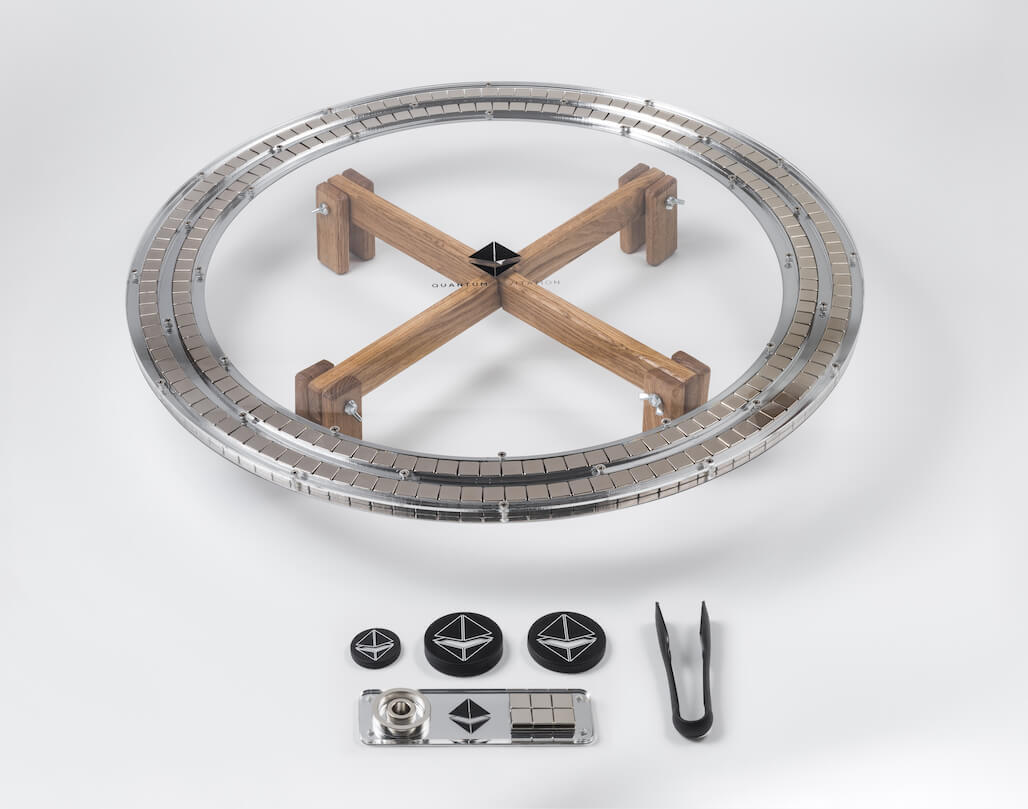
Maglev Kits in Education
Science kits that use maglev magnets help students:
- Understand core physics concepts like force and motion
- Engage with hands-on learning
- Prepare for STEM careers from an early age
Our DIY Maglev Kit includes high- grade neodymium magnets, a magnetic track, and all the components needed to build a working model of magnetic levitation.
Designed for U.S. middle schools, homeschool programs, and curious tinkerers of all ages.
Final Thoughts
Maglev magnets turn invisible forces into visible, hands on science. Whether you’re building a science fair project or just want to explore real world physics, this is one of the most exciting and educational technologies out there.
Order your DIY Maglev Kit today and let learning levitate.
FAQ’S
What are maglev magnets made of?
They’re typically made from neodymium iron boron (NdFeB), known for producing strong magnetic fields.
Can I build a maglev train model with this kit?
Yes! Our kit allows you to build a floating model and explore how magnetic repulsion works in real time.
Is it safe for kids?
Yes, under supervision. The magnets are powerful, so we recommend the kit for ages 10+.